


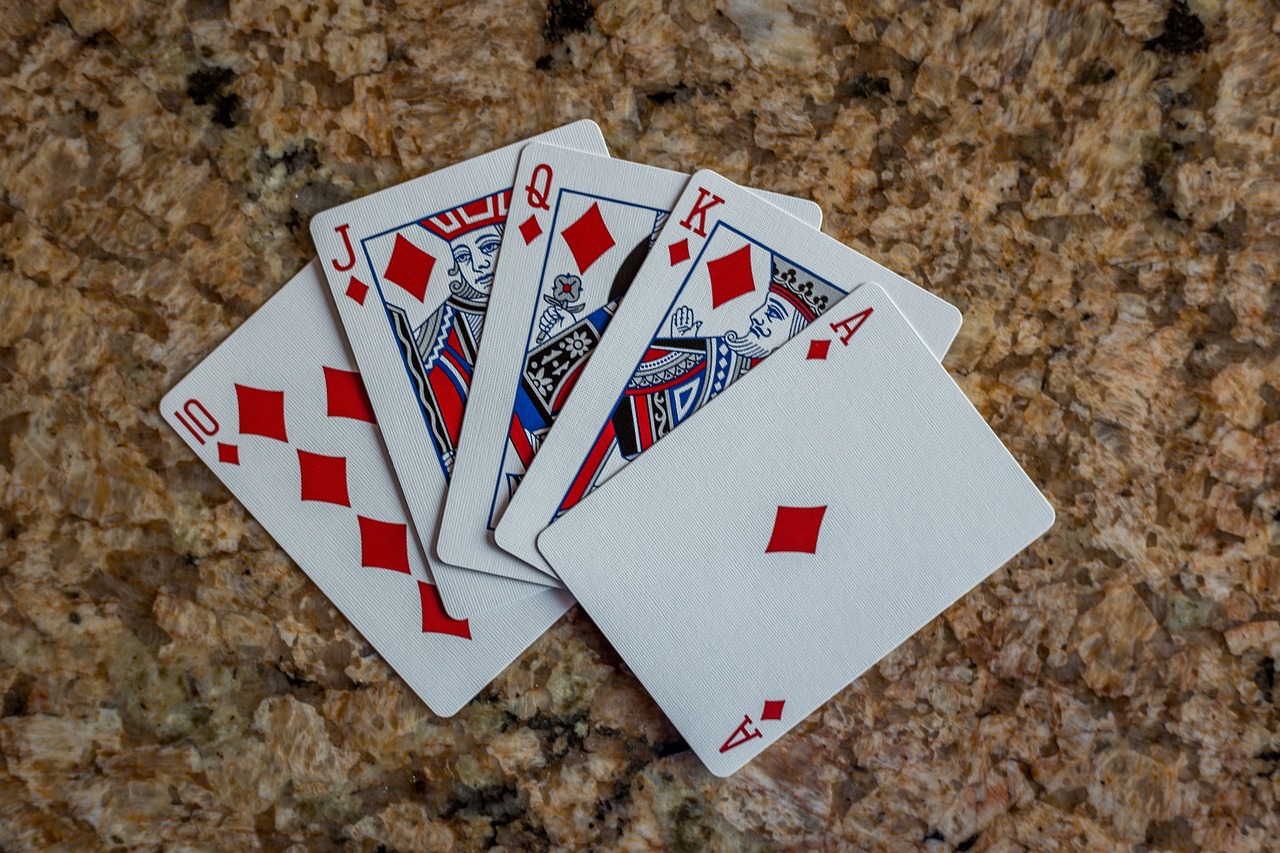
The first time you sit down at a real poker table, you notice things a screen can't teach you. The way a player stacks their chips says more than their betting pattern. That's the paradox of iGaming in 2024: the digital experience has never been smoother, yet the fundamentals that separate winners from donors haven't changed since the days of smoke-filled card rooms in Vegas. Whether you're spinning slots at 2 a.m. or grinding micro-stakes online, the same principles apply.
Let's cut through the noise. No "guaranteed strategy" nonsense, no affiliate fluff. Here's what actually matters.
Why Slot RTP Numbers Deserve More Respect Than You're Giving Them
Walk through any casino forum and you'll see the same argument: "RTP doesn't matter, it's all random." Technically, they're half right. Each spin is independent. But return to player (RTP) is a statistical promise over millions of spins, and it absolutely shapes your long-term experience.
A slot with 96.5% RTP loses you roughly $3.50 per $100 wagered over time. Drop to 94%, and that loss nearly doubles. Over a 2,000-spin session at $1 per spin, the difference is about $50 versus $120 in expected losses. That's the cost of not checking the paytable. There is a useful overview at kingfun.gb.net.
Where do you find this? Every regulated slot publishes RTP in the game rules. If you can't find it in 30 seconds, that's a red flag.
- Volatility matters as much as RTP. High-volatility slots (like Book of Dead at around 96.2%) pay rarely but huge. Low-volatility slots dribble small wins. Match volatility to your bankroll size, not your mood.
- Bonus buy features are usually a trap for casual players. Buying a $100 bonus round at 96% RTP doesn't mean you'll get $96 back. The variance on a single buy is brutal. Do it 100 times and you'll see the math. Most people won't survive 100 buys.
- Max bet warnings exist for a reason. Some jackpot slots require max bet to qualify. Others don't. Read the terms before you crank the stake.
One concrete tip: sites like SlotCatalog and Casinomeister track real RTP data from audited sources. Cross-reference before you deposit.
Poker: The Only iGaming Vertical Where Skill Actually Compounds
Here's an uncomfortable truth: slots are entertainment with negative expected value baked in. Poker is different. Against weak opponents, a skilled player can maintain a positive win rate indefinitely. That's not opinion; it's documented in tracked hand histories across millions of hands.
But "skilled" doesn't mean what most people think. It's not about bluffing. It's about position, pot odds, and folding more than your ego wants to.
Consider this: at a 6-max $1/$2 table, playing only 20-25% of hands from early position is standard among winning regs. Most losing players see 40-50% of flops. That gap alone accounts for a huge chunk of profit.
- Track your hands. Use a HUD (Heads-Up Display) if the site allows it. Even a basic stats overlay showing VPIP and PFR after 50 hands gives you exploitable reads fast.
- Study one concept per week. This week: 3-bet sizing. Next week: c-bet frequencies on dry boards. Shallow learning beats broad learning.
- Move down when you're tilted. This isn't a cliché. The math on tilt losses is real. A single blow-up session at 5x your normal stake can erase a month of grinding.
Live poker versus online? Different games entirely. Live is slower, softer, and more about reading people. Online is faster, tougher, and more about reading numbers. Pick one and get good at it before splitting your attention.
Sports Betting: Where Discipline Beats Prediction
Nobody can reliably pick winners. Not you, not the guy on YouTube with the "lock of the century." What sharp bettors do is find value, meaning the odds offered are higher than the true probability of the outcome.
A quick example. If you calculate a team has a 55% chance to win, fair odds are around -122 (decimal 1.82). If a book offers +100 (decimal 2.00), that's a value bet even if the team loses that specific game. Over 100 bets, that edge produces profit.
The practical problem: recreational bettors can't calculate true probabilities accurately. So here's what you can do:
- Line shop relentlessly. A half-point difference in NFL spreads or a 0.05 change in decimal odds compounds across a season. Using 3-4 books is standard for anyone serious.
- Avoid parlay addiction. Parlays are fun and occasionally huge, but the house edge stacks with every leg. A 4-leg parlay at -110 each carries roughly a 9-10% hold for the book in practice.
- Track every bet in a spreadsheet. Date, sport, odds, stake, result, and your reasoning. After 200 bets, patterns emerge. Most people discover they're profitable on one sport and bleeding on another.
- Bonuses are not free money. A $500 deposit match with 10x wagering at -110 odds means you need to wager $5,000 before withdrawing. Read the rollover terms.
Bankroll management is the unsexy hero here. A common rule: never stake more than 1-2% of your total betting bankroll on a single wager. It feels conservative. That's the point.
Responsible Gambling Isn't a Slogan
Every credible iGaming article needs this section, and here it is, without moralizing. Gambling is entertainment spending, not an investment strategy. The moment you're chasing losses to fix your rent, you've crossed a line that no RTP chart can save you from.
Practical guardrails that actually work:
- Set a weekly deposit limit with your operator before you start. Most regulated sites let you lock it for 24 hours or longer.
- Use session timers. If you play slots for 90 minutes straight, your decision-making degrades just like it would at a blackjack table after three drinks.
- Never gamble with money you need for bills, savings, or emergencies. Full stop.
If gambling stops being fun, tools like self-exclusion, cooling-off periods, and software like Gamban exist for a reason. Using them isn't weakness. It's the same discipline that makes a good poker player fold a marginal hand.
The One Thing Most Players Get Wrong
They treat iGaming verticals as interchangeable. They'll deposit $200, play slots for an hour, jump into a poker tournament, then throw $50 on a parlay. That scattered approach guarantees mediocre results everywhere.
Pick one discipline. Learn its math, its rhythms, its edge cases. A player who understands slot volatility and sticks to a strict bankroll will lose slower and enjoy more. A poker player who studies ranges will actually win. A bettor who line shops and tracks results will find their niche.
The platforms are designed to make jumping between games frictionless. That frictionlessness is the trap. Your job is to add friction back, through discipline, tracking, and a healthy respect for the numbers. The games haven't changed. The tools have. Use them.


Leave a reply